HOME
This covers 20% theoretical foundation that complements 80% hands-on practice. Designed for self-study and quick reference
I learned the theory of being a deckhand throught the internet and it got to a ceiling point pretty fast. It's because the lack of context and environement can't make you a competent seaman if you haven't been exposed to the real elements and hands-on practice.
In this single-source knowledge resource I'll attempt to encompass all the knowledges that are dispatch on the internet and will make the emphasize on deckhand theory on Mediterranean yachts
Vocabulary I:
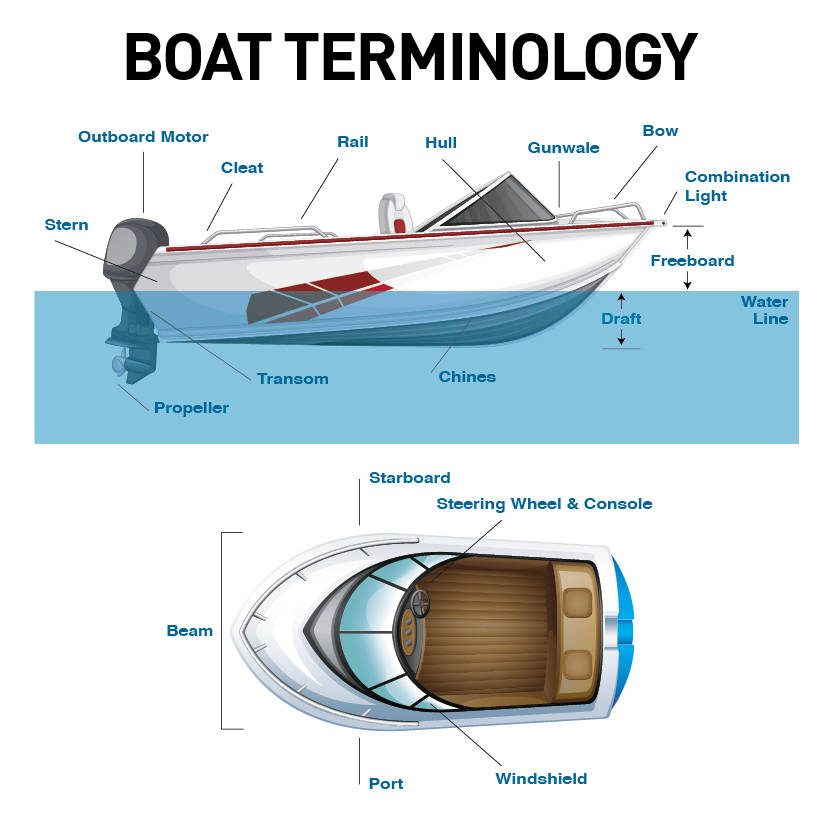
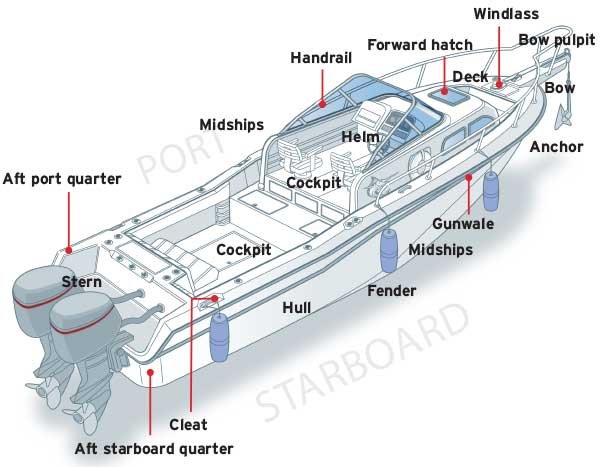
Parts of a Boat
EN — Global Standards
FR — Must in French Riviera
IT — The Yacht Industry Language
Vocabulary II:
More Parts of a Boat
EN — Global Standards
Lines
Hulls
Bow Parts
FR — Must in French Riviera
Lignes
Carènes
Pont Avant
IT — The Yacht Industry Language
Cime
Scafi
Parti di Prua
Basic Theory
The Beaufort Wind Scale
| Force | Description | Knots | km/h |
|---|---|---|---|
| 0 | Calm | <1 | <1.8 |
| 1 | Light Air | 1-3 | 1.8-5.5 |
| 2 | Light Breeze | 4-6 | 7.4-11 |
| 3 | Gentle Breeze | 7-10 | 13-18 |
| 4 | Moderate Breeze | 11-16 | 20-30 |
| 5 | Fresh Breeze | 17-21 | 31-39 |
| 6 | Strong Breeze | 22-27 | 41-50 |
| 7 | Near Gale | 28-33 | 52-61 |
| 8 | Gale | 34-40 | 63-74 |
| 9 | Strong Gale | 41-47 | 76-87 |
| 10 | Storm | 48-55 | 89-102 |
| 11 | Violent Storm | 56-63 | 104-117 |
| 12 | Hurricane | >64 | >118 |
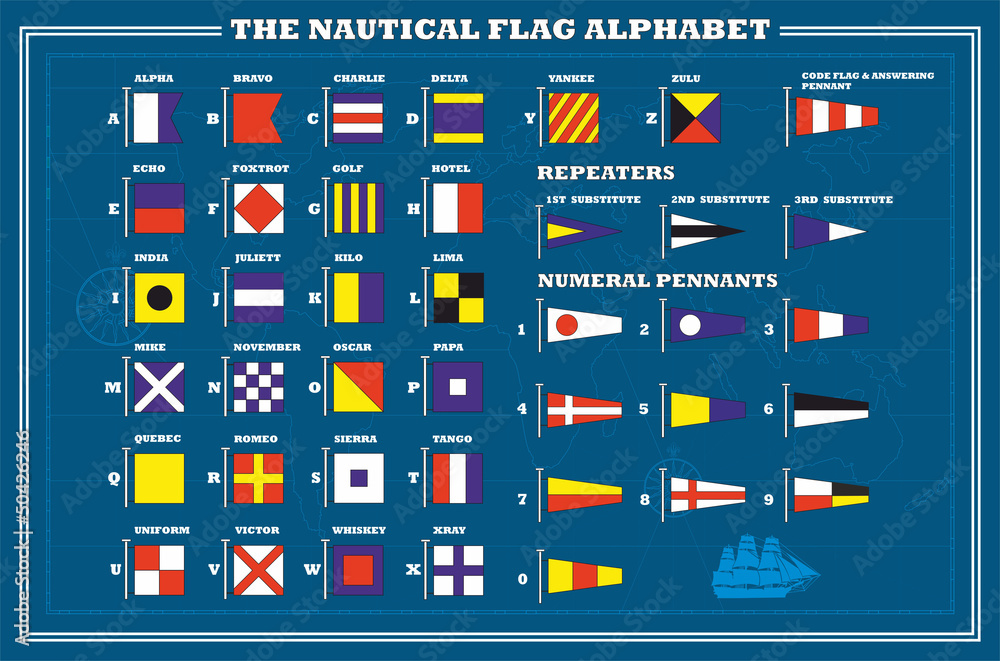
Commonly Used Flags
| Code | Meaning |
|---|---|
| A | Diver/Recreational area. Keep clear at slow speed |
| B | Loading/Unloading/Carrying dangerous cargo |
| D | Manoeuvering with difficulty. Keep Clear |
| E | Coming to Starboard |
| I | Coming to Port |
| P | About to set sail |
| S | Engine going astern |
| M | Ship stopped. No momentum. |
| V | Ship requiring assistance |
Terminology
The "Nautical Mile" ; Abrev: NM or NMI
"The nautical Mile is a unit used to express the distances at sea"
It applies to Navigation, Legislation, and Charts.
• 1 mile = 1852 metre
World Tour = 40 000 km
• 1 degree (1°) = 40000/360 ⇒ 111.111 km
• 1 minute (1') = 1°/60 ⇒ 1.852 km
Sounds
"Sound Signals are given in a combination of short or long blasts on a ship's Horn."
| Signals | Meaning |
|---|---|
| • — | Course to starboard |
| • • — | Course to Port |
| • • • — | Operation astern propulsion |
| • • • • • — | Do not understand Intentions |
| ——— | Be aware of my presence |
| • • • • [gap] • | Turn to Starboard (135°) |
| • • • • [gap] • • | Turn about to Port (135°) |
Conceptual Schema
1 degree out of 60 represented
Conversion Table
| Kts | Km/h | MPH |
|---|---|---|
| 1 | 1.85 | 1.15 |
| 10 | 18.52 | 11.51 |
| 15 | 27.78 | 17.27 |
| 20 | 37.04 | 23.02 |
| 25 | 46.30 | 28.78 |
| 50 | 92.6 | 57.55 |
International Flags and Alphabet
IALA Buoyage System / Marking
"The IALA Buoyage is the international system of aids at navigation, from day and night."
Types of Marking:
- • Lateral Marks
- • Cardinal Marks
- • Isolated danger marks
- • Safe water Marks
- • Special Marks
- • Emergency Wreck marking Buoy
Isolated Danger Marks
Isolated danger marks indicate a hazard surrounded by navigable water. These marks are positioned directly on or moored above the danger. Vessels should pass well clear on either side.
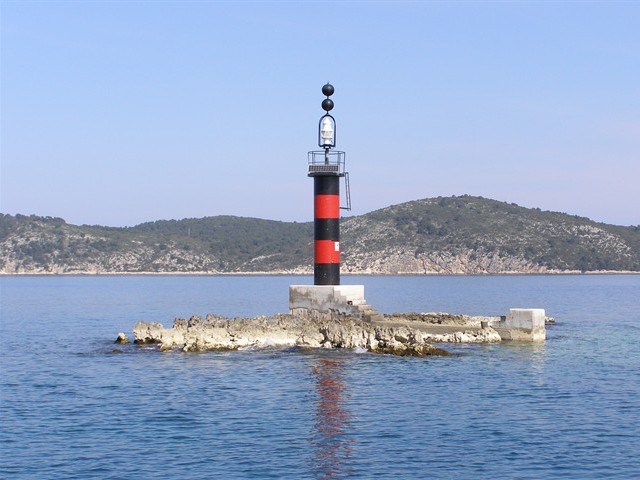
Day: Black with one or more horizontal red bands
Topmark: Two black spheres vertical
Night: White light, group flashing (2)
Emergency Wreck Marking Buoy
Emergency wreck marking buoys mark new wrecks that have not yet been documented on charts. They indicate recently sunken vessels or obstructions. Vessels must keep well clear and report sightings to authorities.
Day: Blue and yellow vertical stripes
Topmark: Yellow upright cross
Night: Blue and yellow alternating flashing light
Lateral Marks
Lateral marks indicate the port and starboard sides of channels. In Region A, red marks are left to port when entering harbor (returning from sea). Green marks are left to starboard. Vessels follow these marks to stay in safe water.

Port (Region A): Red, can-shaped
Starboard (Region A): Green, conical
Night: Red light (port), Green light (starboard)
Rhythm: Any rhythm except group flashing (2+1)
Cardinal Marks
Cardinal marks indicate the safest water lies to the named side of the mark (North, South, East, or West). These marks show where the deepest water is relative to a danger. Vessels should pass on the indicated cardinal side.
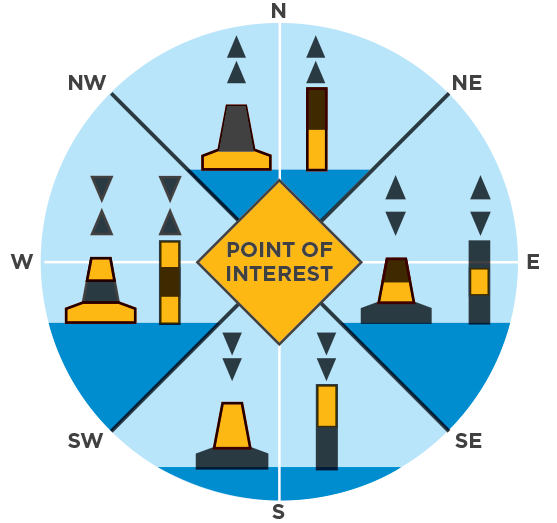
Day: Black and yellow horizontal bands
Topmark: Two black cones (direction indicates cardinal)
Night: White light, quick or very quick flashing
N: Continuous flashing | E: 3 flashes | S: 6 flashes + long | W: 9 flashes
Safe Water Marks
Safe water marks indicate navigable water all around the mark. These are typically used as mid-channel or landfall marks. Vessels can pass on either side, as they mark safe, deep water.
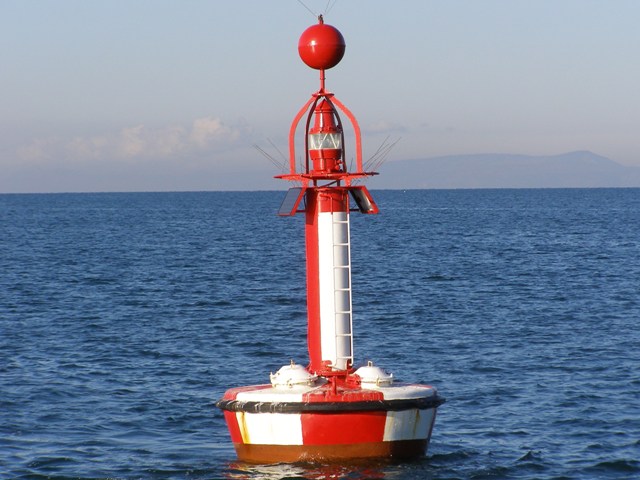
Day: Red and white vertical stripes
Topmark: Single red sphere
Night: White light, isophase or long flash every 10 seconds
Special Marks
Special marks indicate special areas or features such as spoil grounds, military exercise zones, recreation areas, pipelines, or aquaculture. These marks do not primarily assist navigation but mark specific zones. Vessels should be aware of the marked area's purpose.
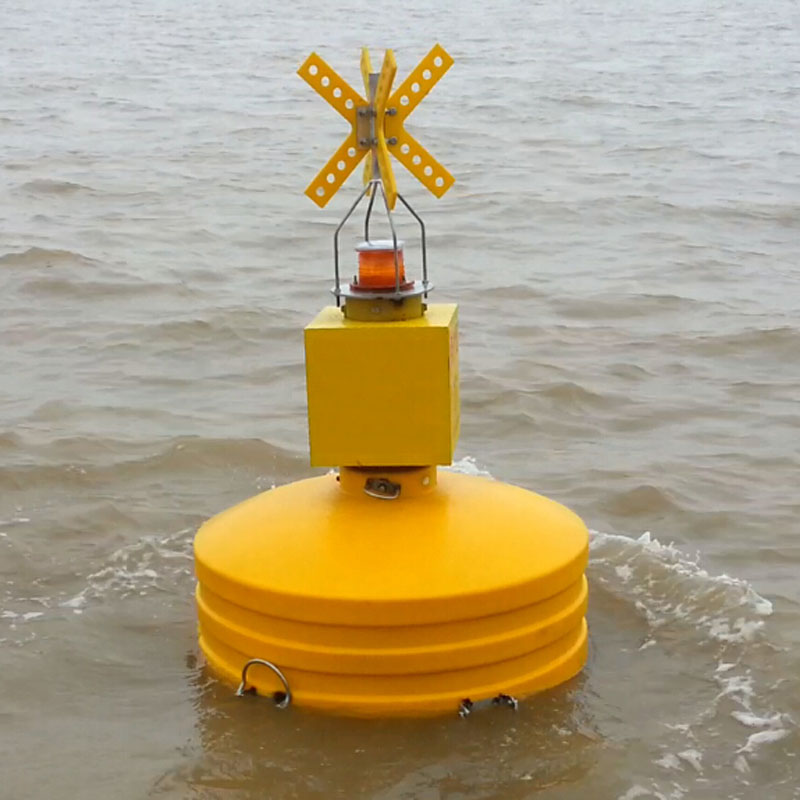
Day: Yellow (any shape)
Topmark: Yellow X-shape (if fitted)
Night: Yellow light, any rhythm not used for white lights
"IALA divided the world into two regions — Region A and Region B (Ours is A)."
- • Each Buoy is identified by its color, their top mark, light signal and rhythm (at Night)
- • It is prohibited to anchor at sea in their mooring radius
Knots
"3 knots, many use cases, many situations!"
You must know how to do these 3, blindfolded!
Bowline
Particularity: Creates a fixed loop at the end of a rope that will not slip or bind under load. Known as the "King of Knots," it's easy to untie even after being heavily loaded. The loop size remains constant regardless of tension.
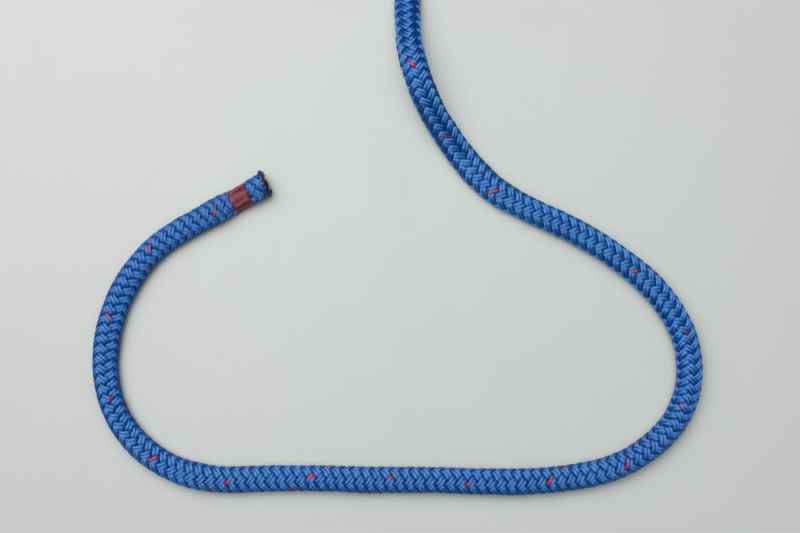
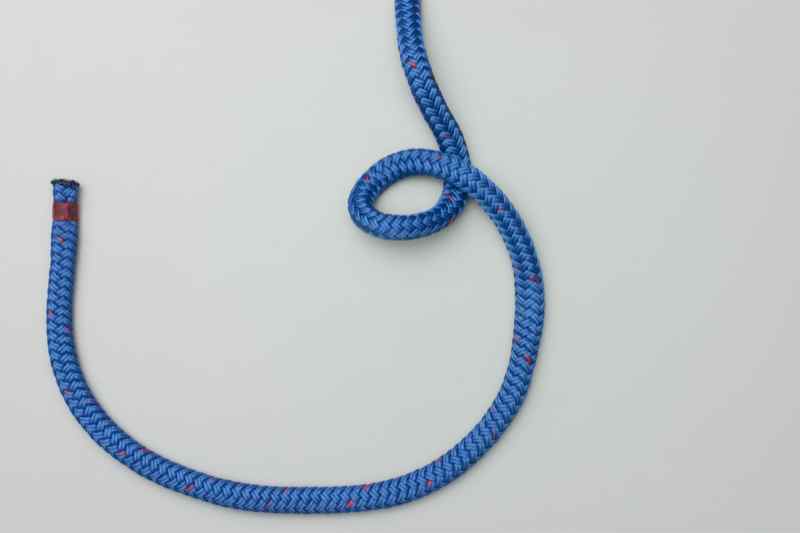
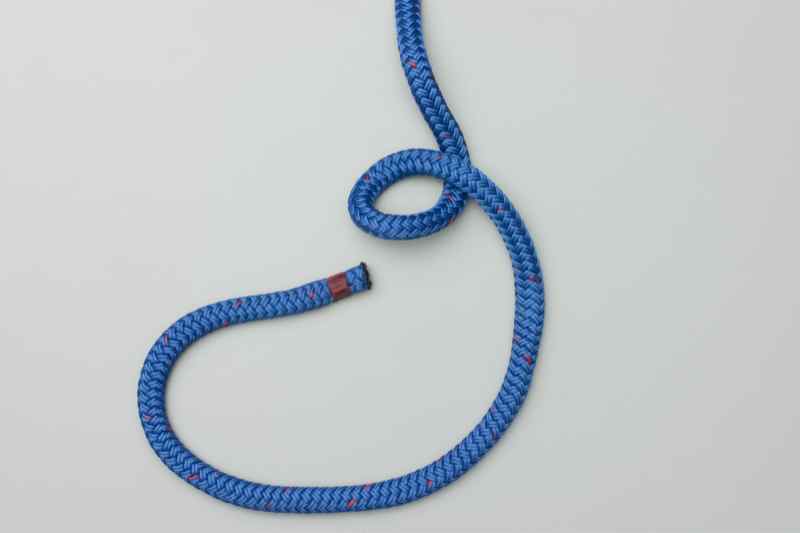
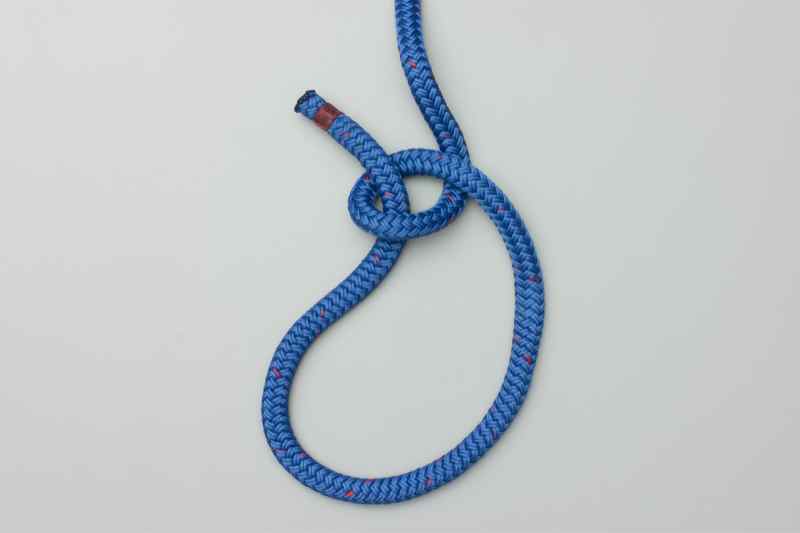
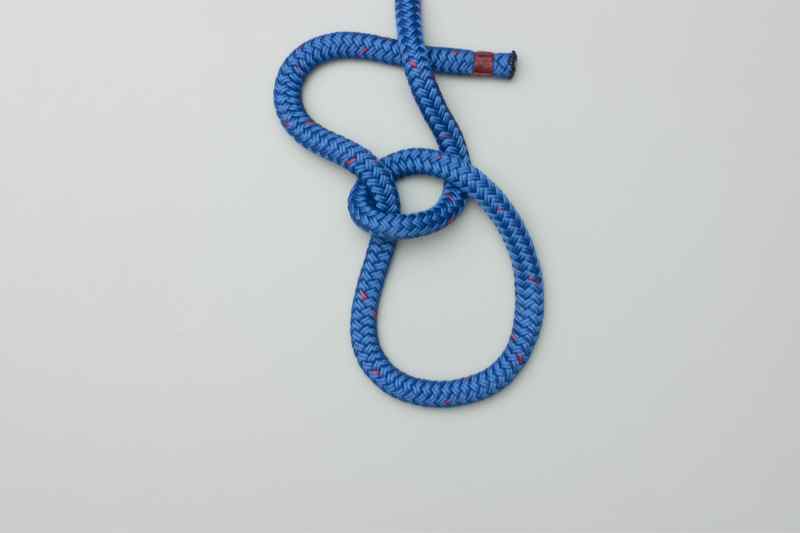
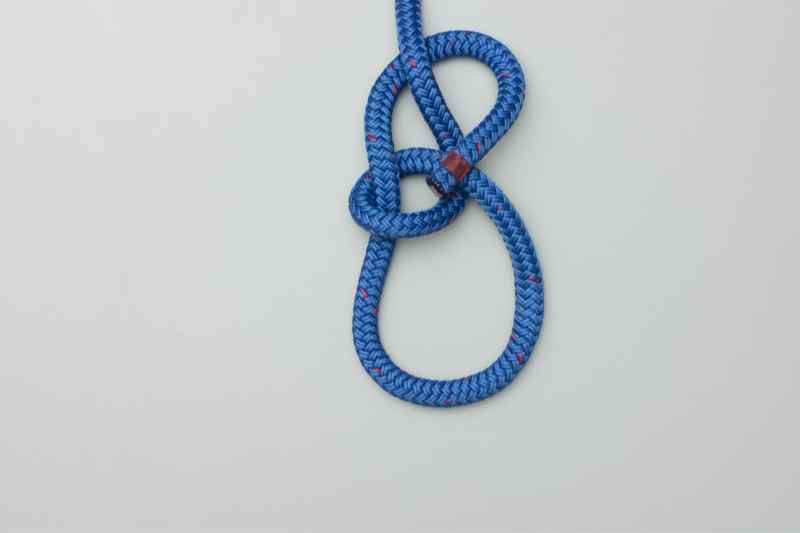
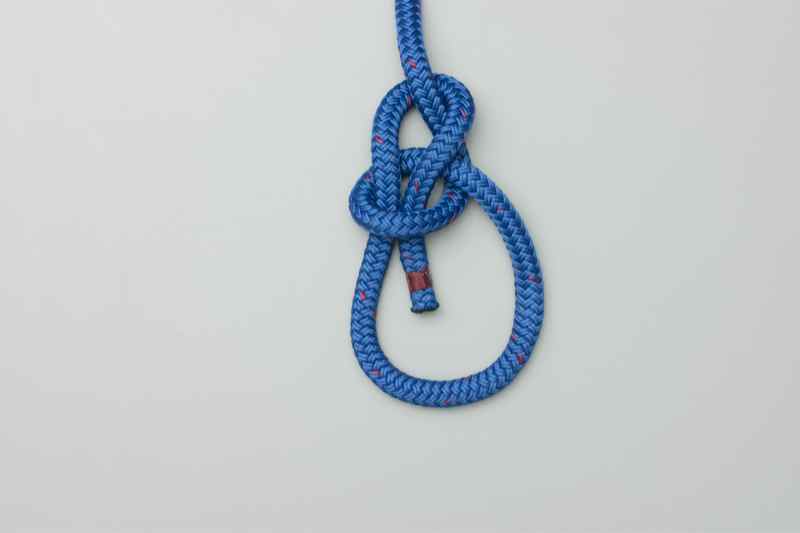
Use Cases:
• Securing a line to a ring, post, or another rope
• Creating a rescue loop
• Mooring and anchoring operations
• Attaching fenders to the boat
• Any situation requiring a temporary, secure loop that needs to be easily untied
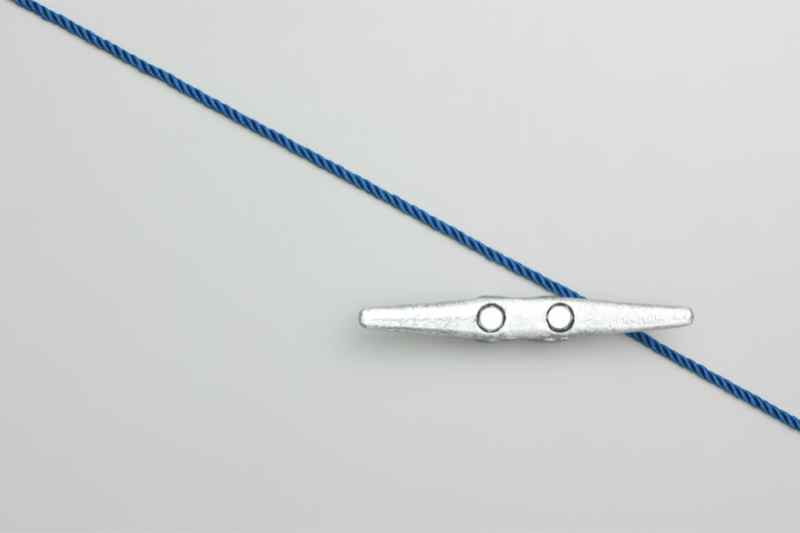
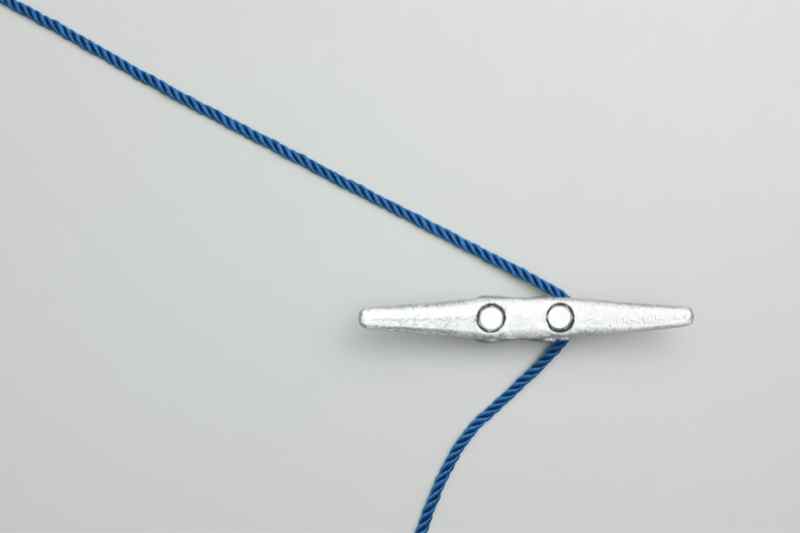
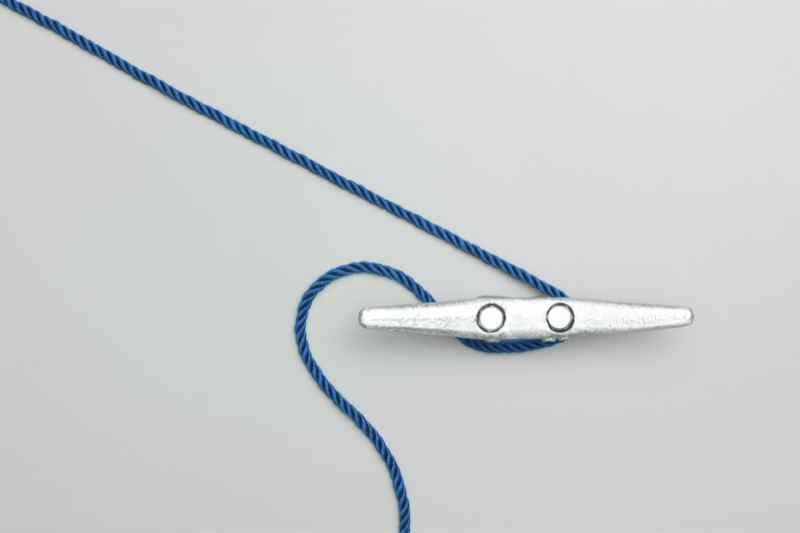
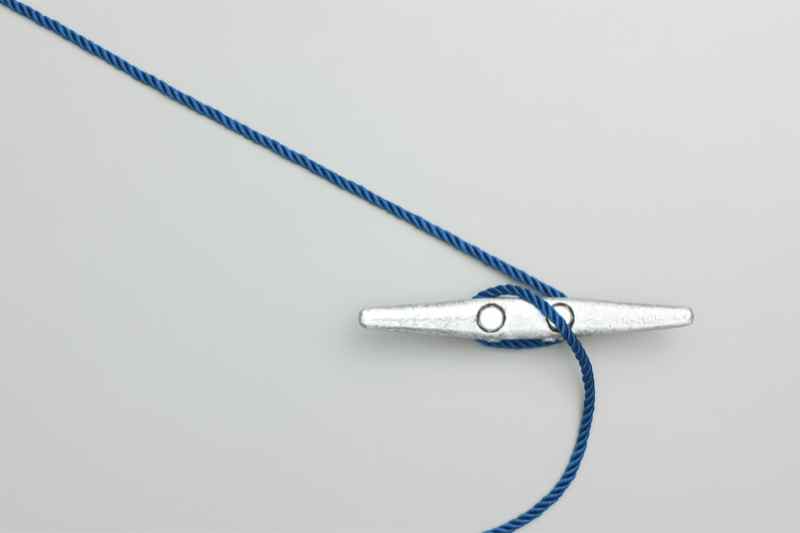
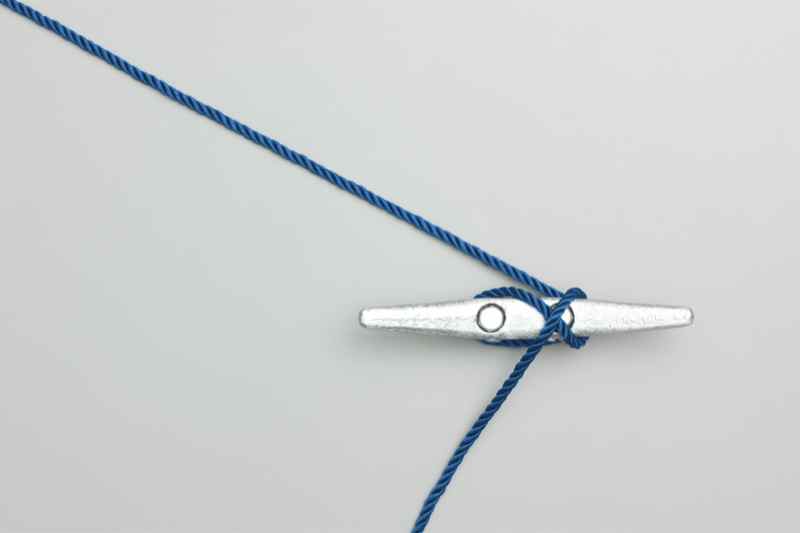
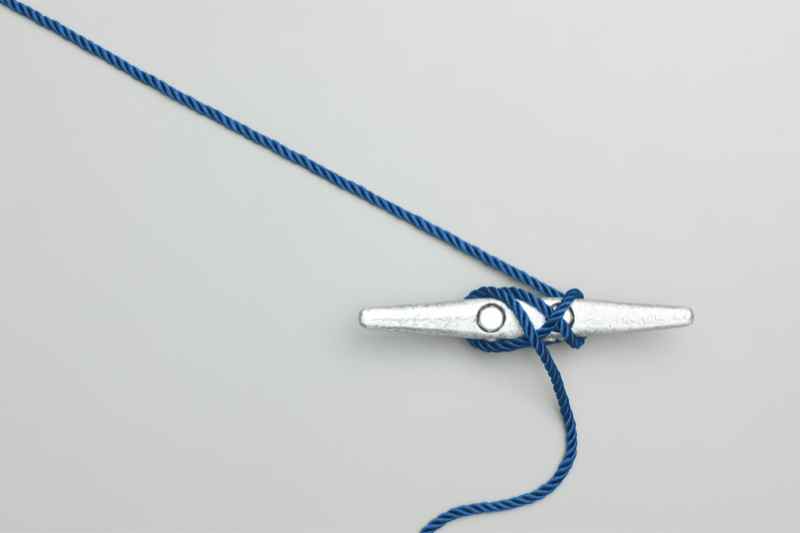
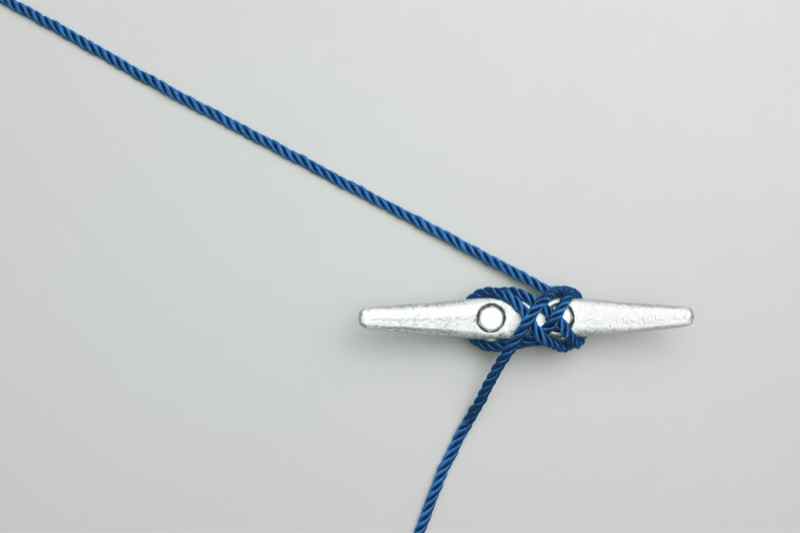
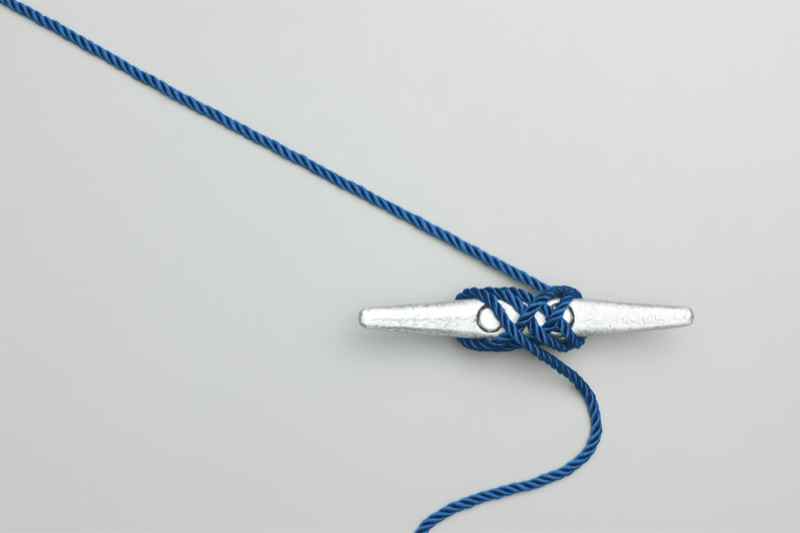
Cleat Hitch Knot
Particularity: The standard method for securing a line to a deck cleat. Quick to tie and release, it holds firmly under constant tension but can be freed quickly even under load. Proper technique prevents jamming and line damage.
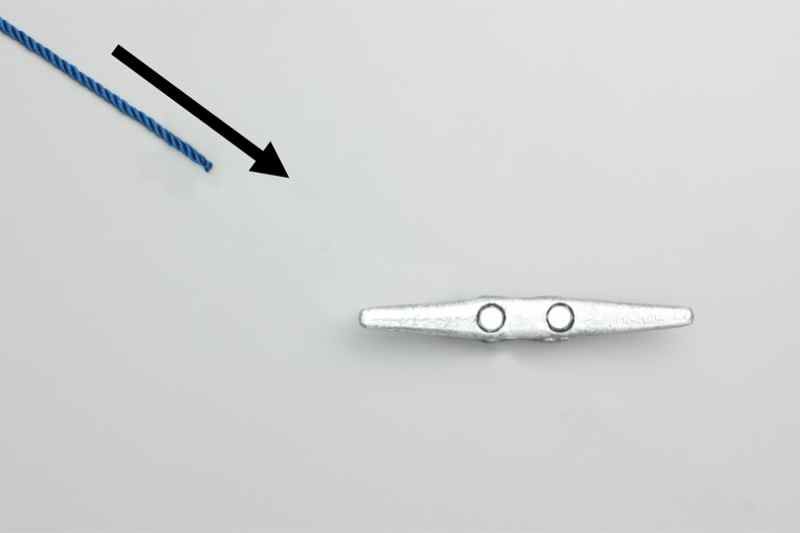
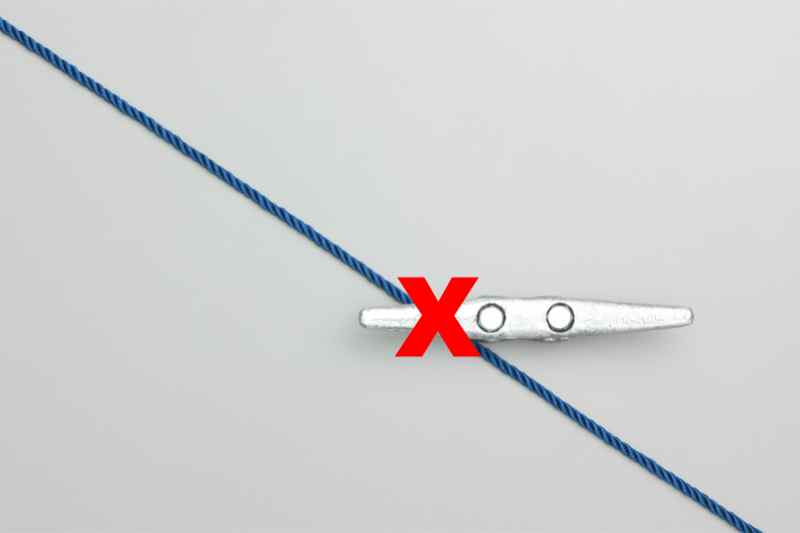

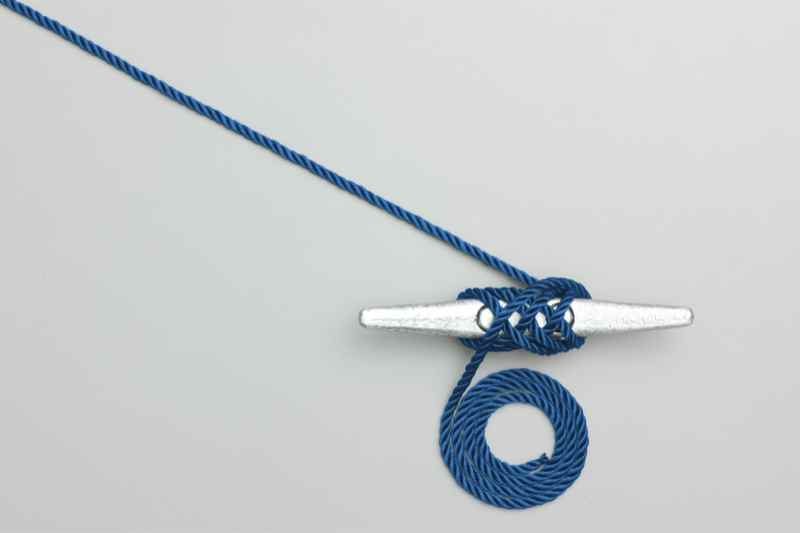
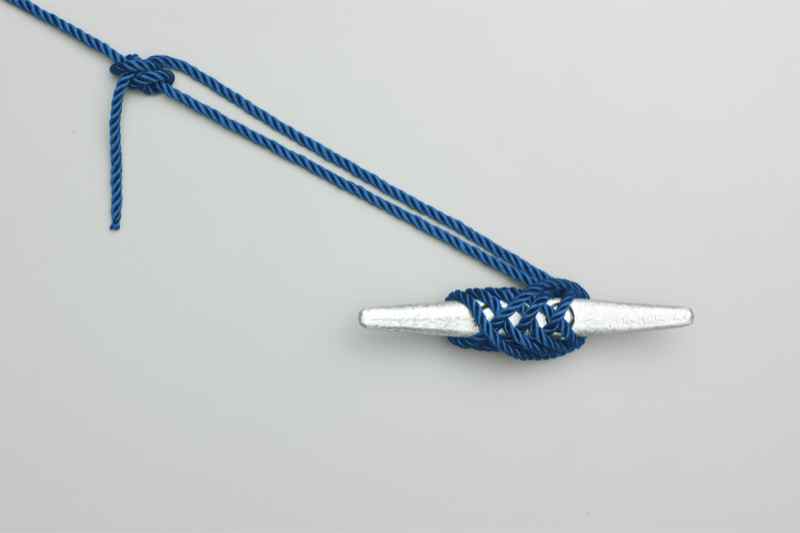
Use Cases:
• Securing mooring lines to dock cleats
• Tying off fender lines
• Securing halyards and sheets to deck cleats
• Temporary securing of any line to a cleat
• Essential skill for docking operations
Clove Hitch Knot
Particularity: A simple, quick-release knot for temporarily securing a line to a post, rail, or ring. It can slip under intermittent loads and should be backed up for critical applications. Very easy to adjust and works well when tension is constant.
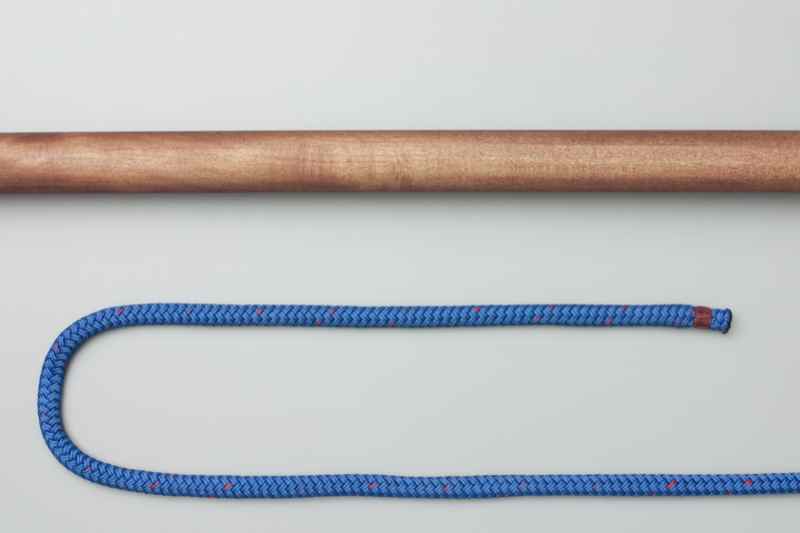
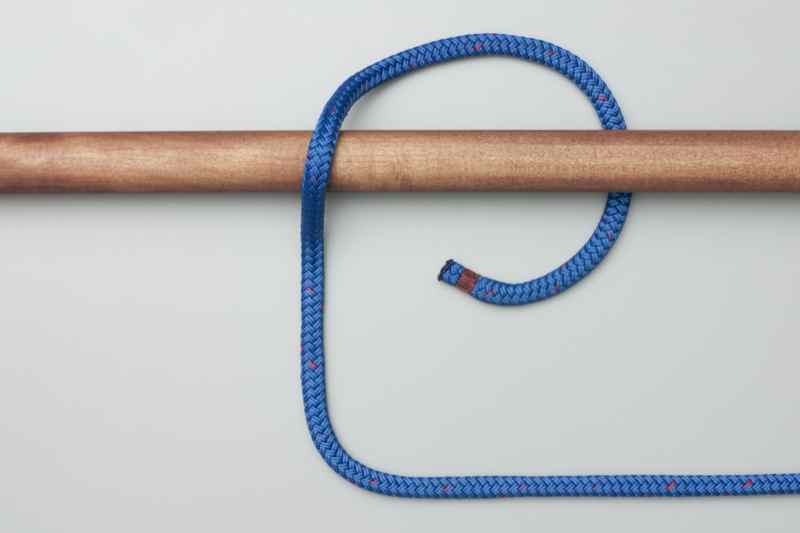

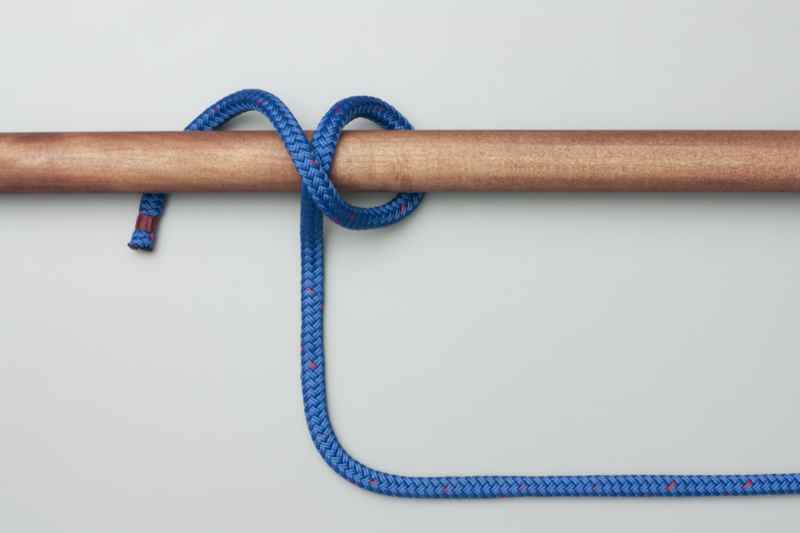
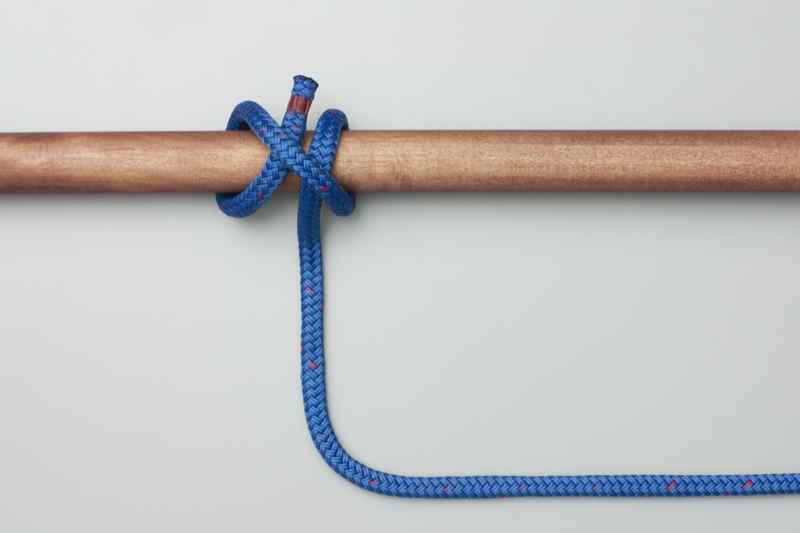
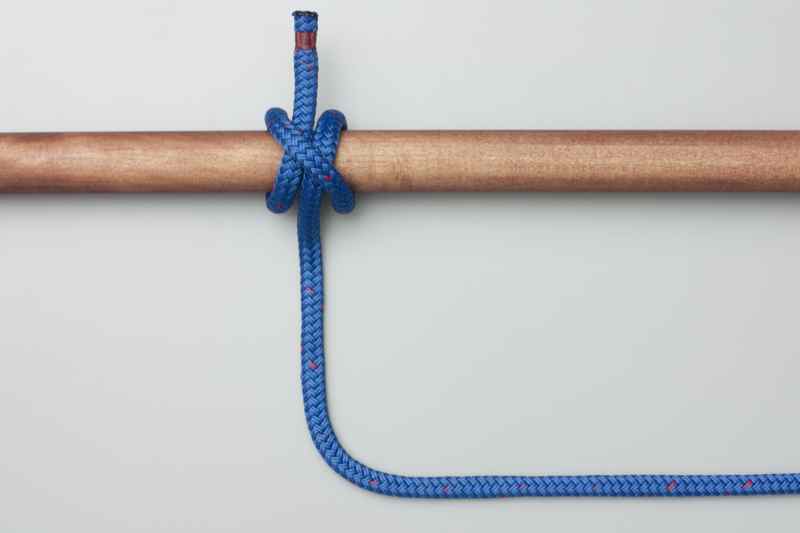
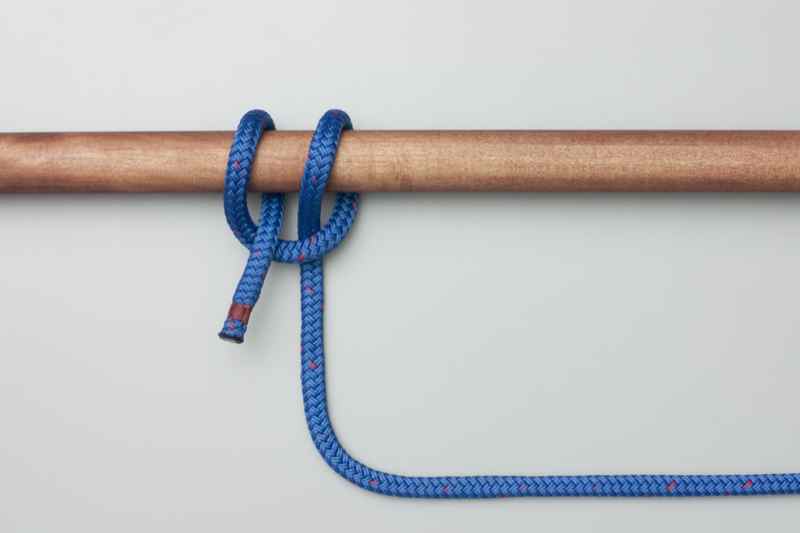
Use Cases:
• Securing fenders to rails temporarily
• Quick attachment to posts or pilings
• Starting lashings
• Attaching lines to ring bolts
• Temporary securing when constant tension is maintained
Maneuvers I: Docking / Mooring
"Gently touching on aspect of docking maneuvers, basic VHF Communication, and extra navigational knowledge"
Topics Covered:
- • Docking/Mooring
- • Basic VHF/SMCP & Procedure Example
- • State of a ship
- • Extra (Boat permit): Right of Way (light)
Upon Docking many settings comes into consideration:
- • Wind
- • Current
- • Boat size and displacement
- • Dock configuration
- • Available space
- • Other vessels nearby
These factors will drastically make you take a different approach to docking
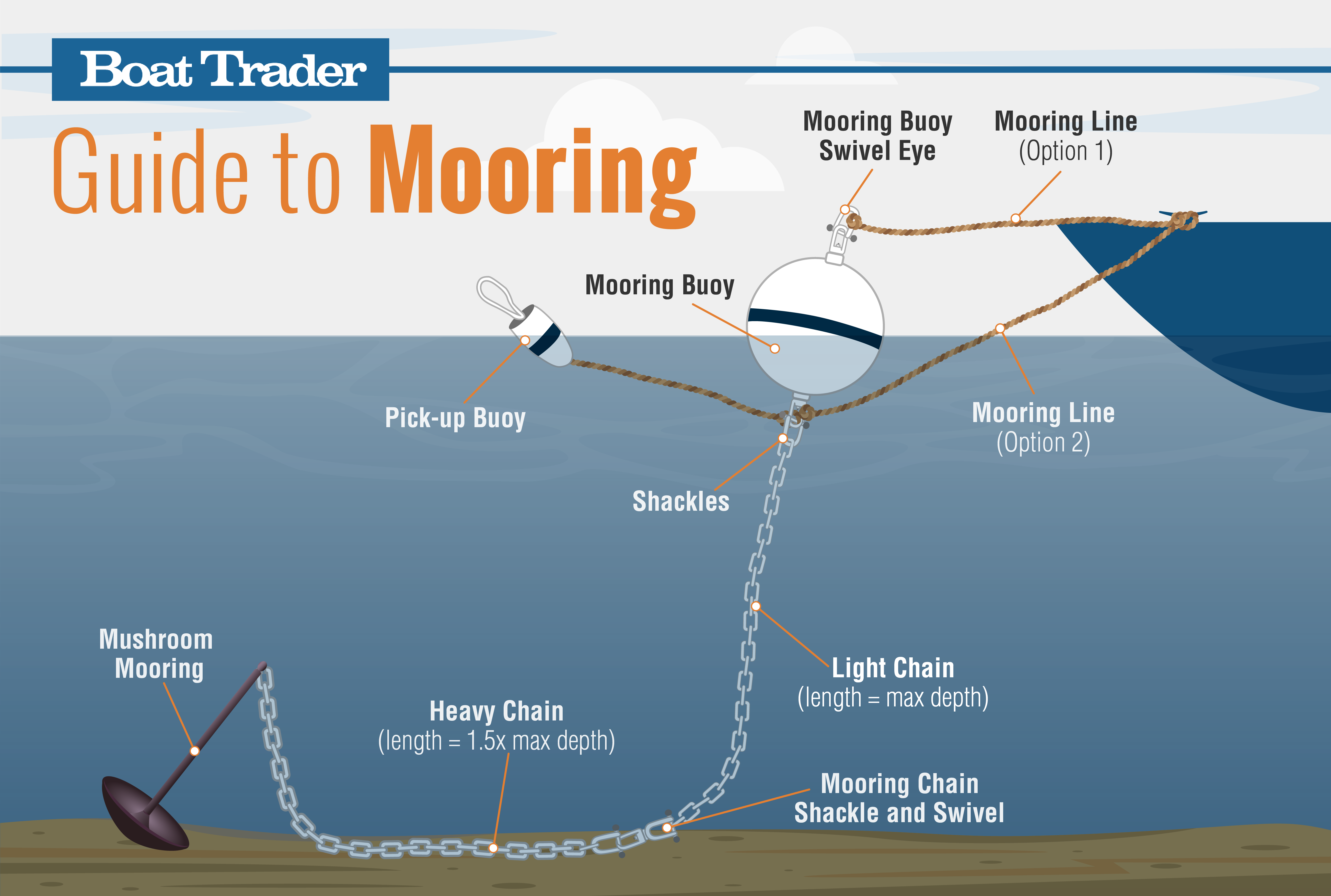
Anchoring / Mooring
Approach Technique
On approach of a Quay the boat must aim for an angle of 30°
- • Stop any pushing forward
- • Let it slide through momentum
- • Move astern to align to the quay
Conditions and Terminology
In Mooring the bottom of sea floor must be sandy so the anchor can grip onto the sea floor
The mooring zone is the circle described by the vessel turning around its anchor:
The length of the chain should be: 5X to 7X the depth from the waterline to the sea floor
Mooring Types:
- • Swinging onto: Small Area
- • Tandem anchor: Bad weather
- • V-Shape: Bad weather
- • Crossing: Good weather
Docking with Wind
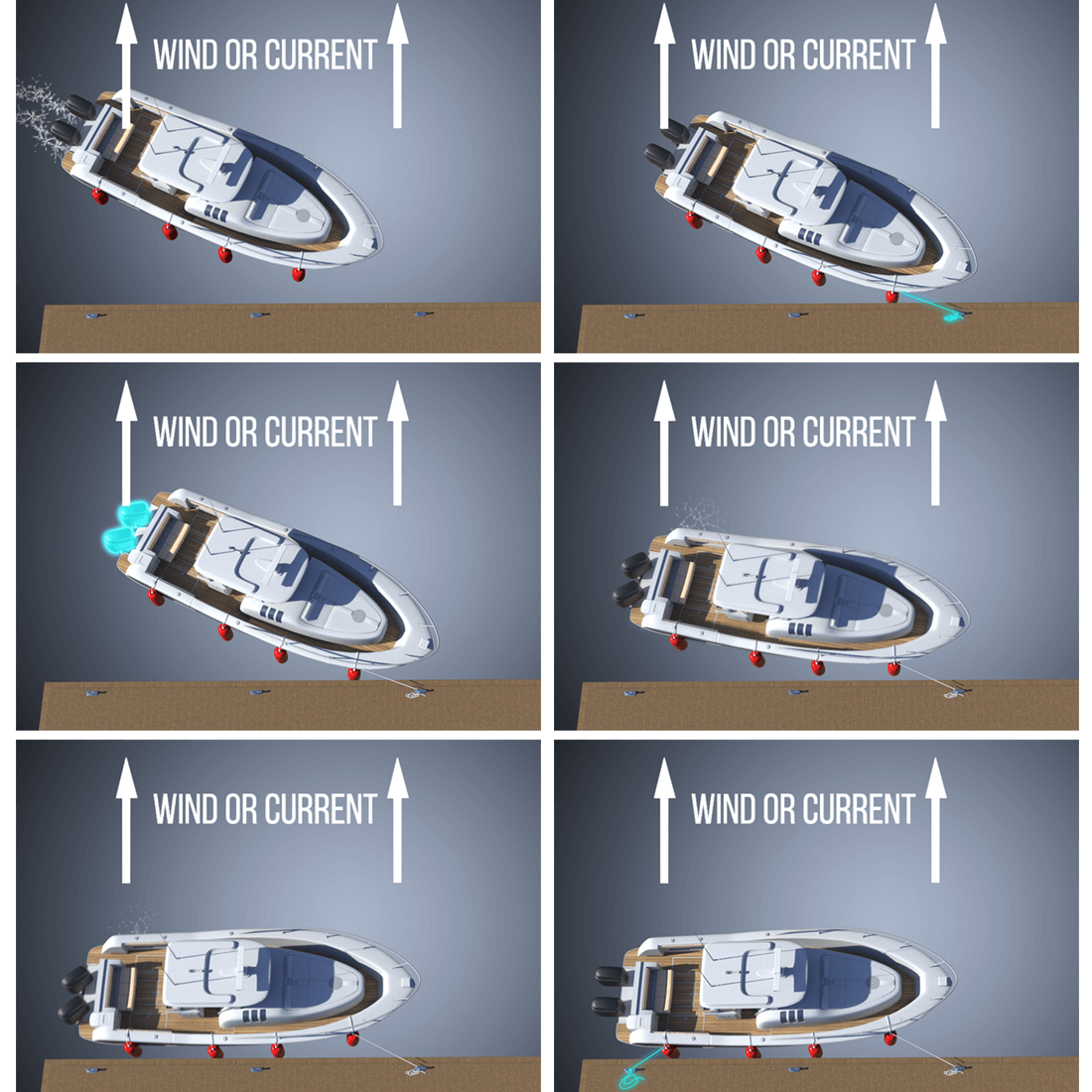
The Deckhand Part in This:
The Deckhand must respect an order of actions to undertake ⇒
- • Preparing the Fenders
- • Having its mooring lines along with his Heaving lines put in the appropriate place, in the right fashion
- • Ready once the mooring line attached to the Bollard to attach the end of the line to a cleat ⇒ Cleat Hitch knot
- • Every step of the way must be in constant exchange with the captain
⇒ See Resources section for detailed procedures
Deckhand part to this maneuvers is fairly complex and must be at least seen through video example on a repeated exposure basis:
Capstan / Fairleads / Safety / Knots / Line Handling / More come into play
⇒ Resources: Video tutorials and practical demonstrations essential
Maneuvers II: Basic VHF/SMCP & Procedure Example
Topics Covered:
- • Basic VHF/SMCP & Procedure Example
VHF:
"The VHF Marine radio is the most reliable connection to other vessels, marinas and emergency services"
SMCP: Standard Marine Communication Phrases
Routine
| Proword | Use | Example |
|---|---|---|
| OVER | End of transmission, awaiting reply | "Request permission. Over." |
| OUT | End of conversation | "Acknowledged. Out." |
| ROGER | Message received and understood | "Roger. Will comply." |
| SAY AGAIN | Repeat last transmission | "Say again your position." |
| CORRECT | Confirm information is accurate | "Channel 16. Correct." |
| NEGATIVE | No / Permission denied | "Negative. Stand by." |
| STAND BY | Wait for further transmission | "Stand by on Channel 12." |
| WILCO | Will comply with instruction | "Wilco. Proceeding now." |
| MAYDAY | Distress signal (life threatening) | "Mayday, Mayday, Mayday" |
VHF stands for "Very High Frequency" referring to the radio waves. VHF radio transmit and receive directly to other radios within a "line of sight".
In the Ocean, there are no obstructions due to lack of landmasses which allow for a highly extensive range.
"Where SMCP and VHF meet"
Identification of a Vessel found on boat's dashboard:
- • Call Sign: Unique ID ⇒ e.g. F12345
- • MMSI: Mobile service ID ⇒ e.g. 227 620 000
- • Position: Latitude / Longitude ⇒ 43°41.2'N | 07°15.3'E
Giving your Position:
"43 degrees 41 Decimal 2 North. 07 degrees 15 Decimal 3 East."
VHF Radio

Example of Communication Procedures
Routine — Port Entry Procedure ⇒
VESSEL:
"Monaco Marina, this is MV Global Express requesting port entry clearance. My position bearing Zero-Nine-Zero degrees, distance five nautical miles from Ambrose light. Draft thirteen decimal two meters, no deficiencies. Over."
PORT CONTROL:
"MV Global Express, you have permission to enter port. Proceed to anchorage area Charlie. Over."
VESSEL:
"Port Control, proceeding to anchorage Charlie. Will anchor and await further instruction. Over."
PORT CONTROL:
"MV GLOBAL EXPRESS, confirmed. Monitor Channel One-Two for pilot coordination. Report when anchored. Over."
Maneuvers III: State of a Ship
State of a Ship
Propulsion of a vessel is either:
- • Mechanic (moved by its engine)
- • Sail (moved by the wind)
Situation of a Vessel
On water a vessel can find himself in the following situation:
• Underway ⇒ Vessel is not at anchor, not moored, or not aground; it may or may not be moving through the water
• Making Way ⇒ Vessel is moving through the water with forward momentum (underway + moving)
• Not Under Command (N.U.C) ⇒ Vessel unable to maneuver due to mechanical failure, equipment breakdown, or other circumstances
• Stopped ⇒ Vessel is underway but has no momentum through the water (dead in the water)
• At Anchor ⇒ Vessel is secured to the seabed by an anchor, stationary in a specific location
"A vessel is determined by its capacity to transport on water passengers or goods."
Vessels are Classed Given Their:
- • Mode of Propulsion
- • Situation at Sea
- • Activity
The Activity of a Vessel: Priority vs Non-Priority Vessels
Priority Vessels:
- • Sailing Boats
- • Fishing Boats
- • Vessel in a N.U.C situation
These vessels have right of way over non-priority vessels
Non-Priority Vessels:
- • Boats with an engine (Tender, Yachts, etc.)
- • Commercial Vessel (Cargo, etc.)
These vessels must give way to priority vessels
Charts
Optional — Nautical Charts: The savvy subject
"Clearly this doesn't concern a deckhand's role, for he has better to do on the deck, but this is just a curious subject that can be developed later down the road."
Chart Tool:
- • OpenCPN
There is a whole science behind reading nautical charts to understand them and make use of it. Here some easy level resource ⇒:
Scale on a Chart
Relationship between the actual measurement on the ground and the measurement of its representation on the map, expressed in fraction.
OpenCPN Example - Scale: 1:46000
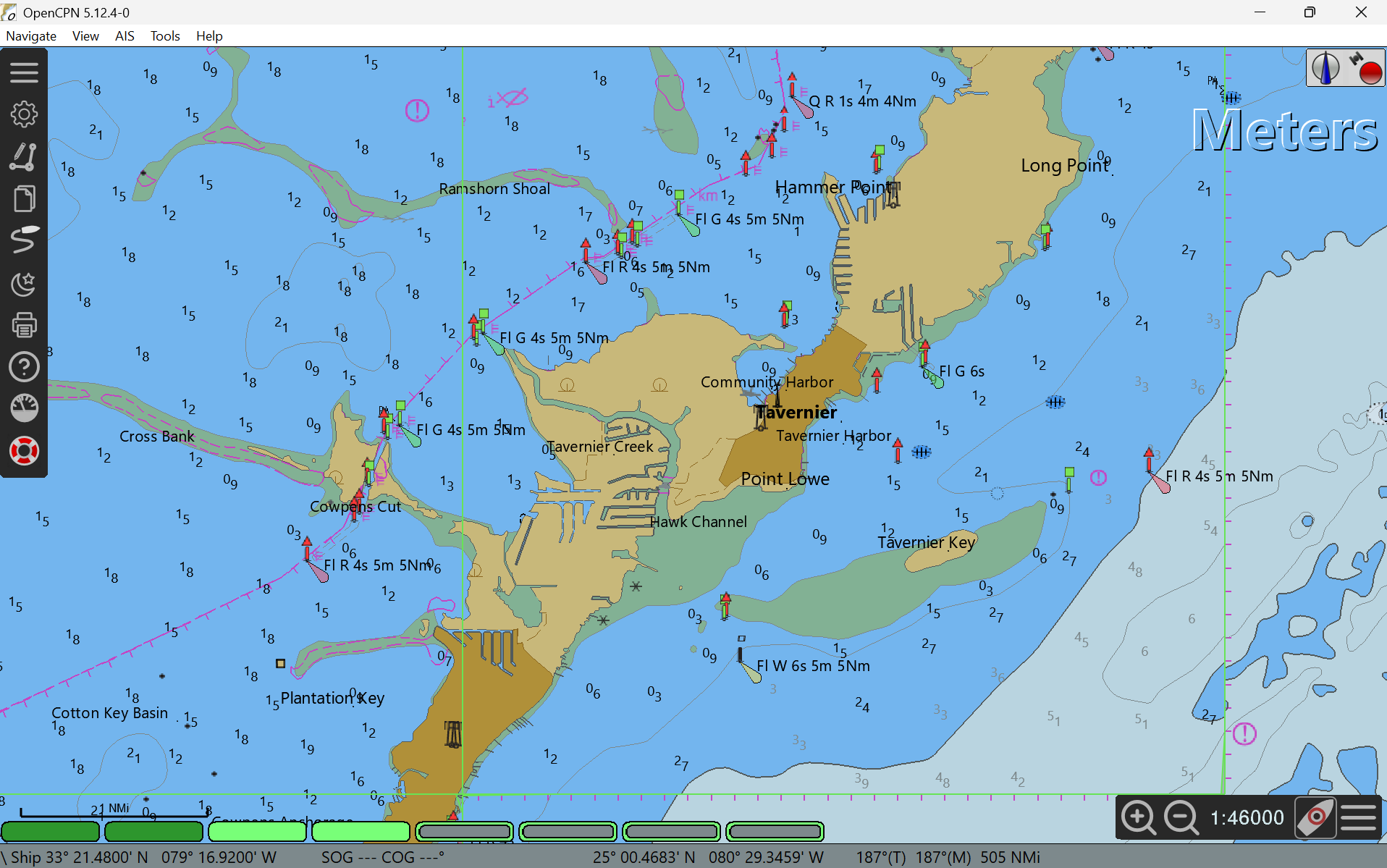
Nautical Chart
Graphic representation of a sample of the earth sphere which gathers all the information of interest to a professional navigator.
The Three Zones on the Map You Can See:
• Land ⇒ Beige / Brown
• Foreshore ⇒ Green to Blue: Low tide zone
• Sea ⇒ Blue to White: Low depth to High Depth
Notice:
The numbers you see all over are indications of the depth at a given coordinate and the red and green top marks are your Lateral marks buoy.
Safety
"Safety actions undertaken in maneuvers such as Anchoring, Docking and during accidents can only be learned and absorbed during Drill training or through Essential Course like STCW 95."
"STCW 95 is the mandatory certificate to obtain for any seaman."
Fire Incident on Superyacht
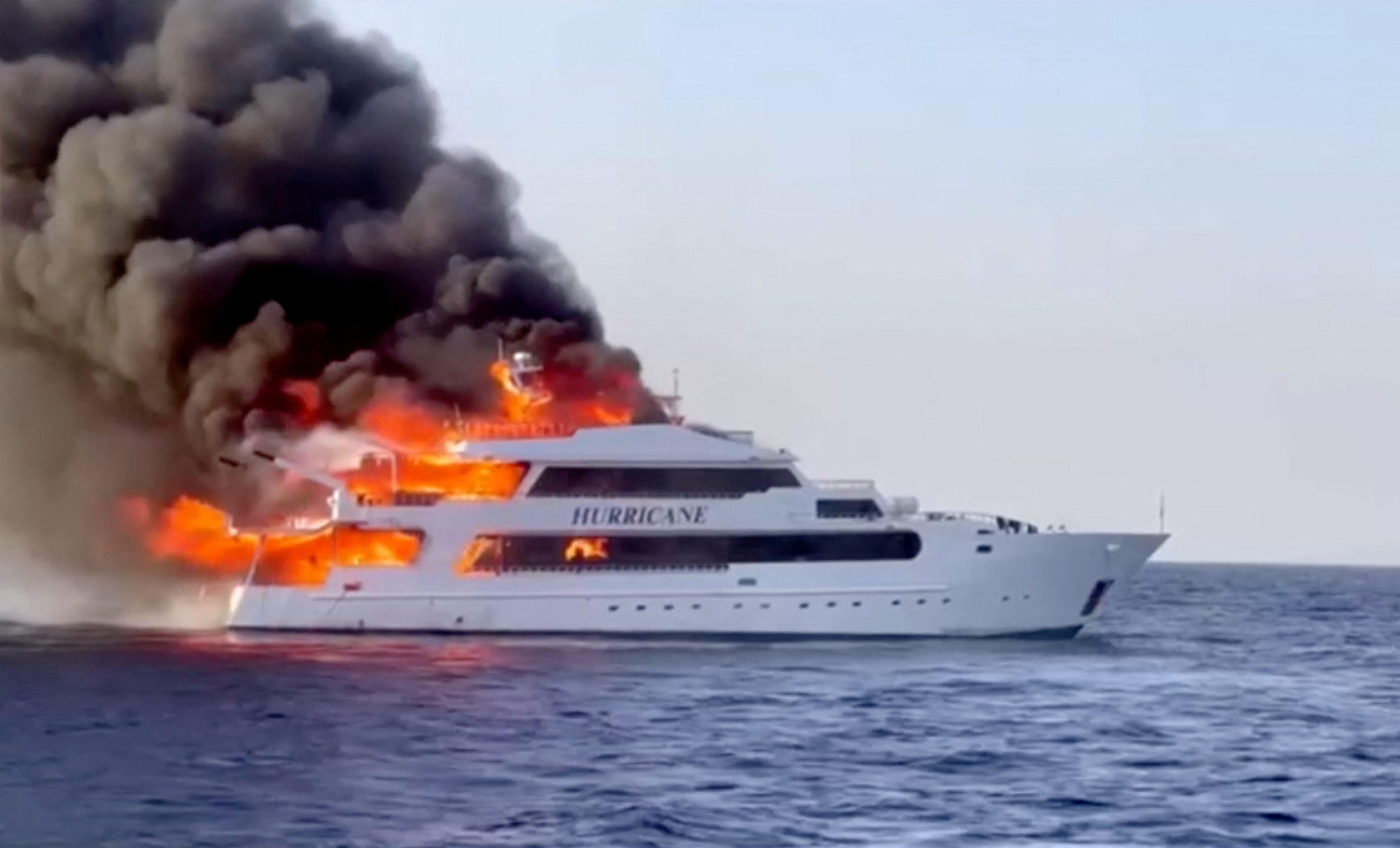
Immediate Actions:
- • Closing/cutting air gaps
- • Shut down ventilation
- • Cut engine
- • Cut electric circuits
- • Doors remaining SHUT
- • Sending MAYDAY Signal on Channel 70 (automatic)
- • Signaling MAYDAY Signal on Channel 16 with VHF to nearest station
Man Overboard — Maneuvers to Undertake

STCW 95 Training Center

Safety Training Overview
Accidents:
- • Case of Fire
- • Case of Man Overboard
Learned during Drill (captain supervision) and STCW 95 (Bluewater Training Center)
Informal Situation:
- • Anchoring ⇒ Keeping distance from lines and anchor
- • Docking ⇒ Fender Placements; Line Handling; etc..
Learned during Maneuvers
Resource Exposure:
Practical training, video demonstrations, and hands-on drill practice essential for competency
Emergency: "MAYDAY; PAN-PAN; SÉCURITÉ"
There are Three Sorts of Emergency:
| Prowords | Meaning |
|---|---|
| MAYDAY | Life-Threatening. Highest Priority |
| PAN-PAN | Urgency Call: Engine failure; Medical emergency |
| SÉCURITÉ | Safety/Weather/Navigational Warning (from the French) |
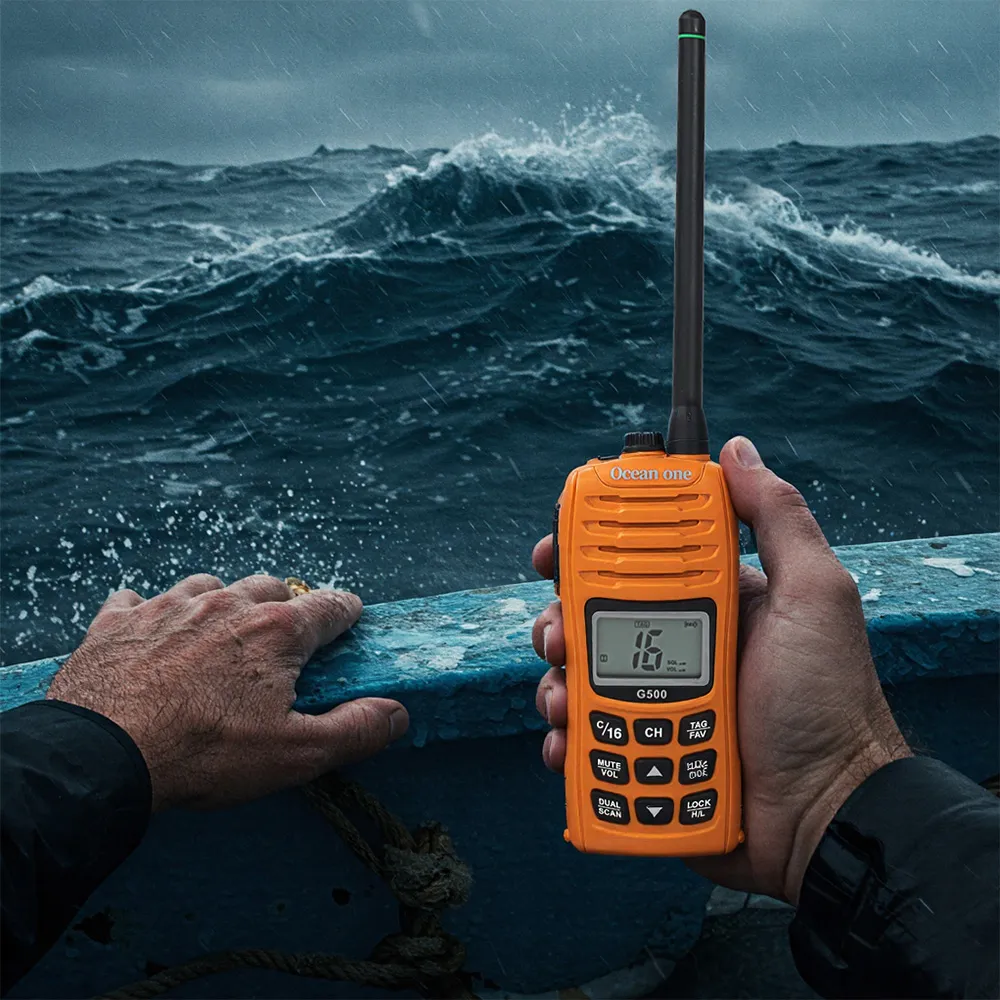
👉 VHF Channel 16 (156.8 MHz)
This is the international distress, safety, and calling channel.
Example of Communication Procedures
Distress — Engine Room Fire:
VESSEL:
"MAYDAY, MAYDAY, MAYDAY.
This is MV Pacific Trader.
MV Pacific Trader.
Call Sign Whisky. Hotel. Tango. Four. One.
Position Three-Seven degrees, Two-Five minutes North.
One-Two-Two degrees One-Eight minutes West.
I am on Fire in Engine Room.
Fire not under control.
I require fire fighting assistance.
Twelve crew onboard.
No dangerous goods onboard.
Over."
👉 VHF Channel 70 (156.525 MHz)
Mandatory use upon emergency
Automatic digital signaling, creates a DISTRESS alert upon pressing the red button, it sends a digital packet with:
- • Your MMSI number
- • GPS position
- • Type of Emergency (once selected)
DSC (Digital Selective Calling) Controller
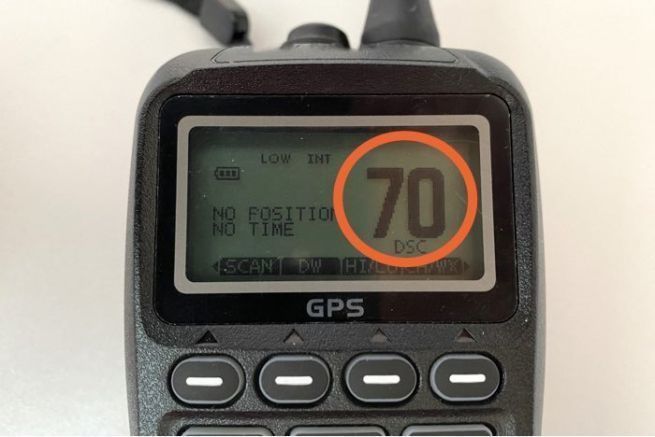
Red distress button clearly visible for emergency activation
Resources: "Internalizing through repeated exposure"
The most important here is to repeatedly watch maneuvers and essential Deckhand duties (Line Handling, Cleaning, Safety, Communication) from real-life situation, for that I have 2-3 top-tier youtube channels to recommend.
Top pick 1️⃣
Youtube channel: "Work on a superyacht"

Superyacht Deckhand Duties Series
Teach by doing:
- • Cleaning!
- • Mooring maneuvers
- • Proper rope tying
- • Safety advice
- • Vocabulary
Give advice:
- • Yacht CV / Standing out
Additional Resources


Top pick 2️⃣
Youtube channel: "Super Yacht Captain"

Teach by doing:
- • Excellent Maneuvers!
- • Docking/Undocking
- • Port Marina / Crew Communication
- • Real Mediterranean Insights (Italy, Croatia, Monaco, Slovenia, French Riviera)
- • Safety knowledge
- • Navigational Tools/Knowledge
- • Emotional Control during risky situation
Gives:
- • Masterclass Maneuvers!
- • Additional Knowledge: Drill / Shipyard / Yacht culture
Tips I learned from Captains and seafarers:
- • Wear a digital waterproof watch for silent vibrating alarms, timing
- • The bowline knot is truly the most important
- • VHF communication must be handled properly
- • Don't miss the quay when throwing the Heaving line
Additional Links
Bluewater Training Center:
STCW Basic Safety Training Europe